
Protestant Bibles and the “Missing” Books
Busting Myths and Misunderstandings about the Apocrypha


An AI Avatar named Aubrey Corrigan of TikTok, did some Catholic lay apologetics on the Apocrypha against Protestant dismissal of it.
Okay, some things she says are right, some things are half right, some things are distorted, but a lot is wrong.
See here is what you need to know!
1. Jesus did not quote the Septuagint; he quoted the Hebrew Scriptures or maybe some Aramaic paraphrases.
2. The Greek Bible (Old Testament in Greek [LXX]) was the major Bible of the early church and included books not found in the Hebrew Bible.
3. The tendency of subsequent Greek Bible translations was to bring the translation into closer conformity to the Hebrew text. See Theodotian, Symmachus, Aquila, etc.
4. Jerome in the 5th century, was among the first to separate the "apocrypha" from the OT since they were not part of the Hebrew Scriptures.
5. The Vulgate (Latin Bible) of Jerome became the standard Bible of the western church for over a 1000 years and remains the official Bible of the Catholic Church.
6. The Latin apocrypha and the Greek apocrypha do not agree on all the books included, and even how they name them. Search 1, 2, 3, 4 Esdras, it is very confusing!
Hey, if you are enjoying this content then consider joining the Aviary as a paid member. Extra content, bonus materials, and sneak peeks into future projects!
7. Yes, Luther had some peculiar ideas about canon and justification by faith alone as the canon within the canon. But Martin Luther is not the sum of the Protestant tradition.
8. Angicans still recognize the utility of the apocrypha for instruction but not doctrine. Catholics call the apocrypha deutero-canonical, which is secondary status within the canon. The Greek Orthodox simply have the anaginoskomena which means "books to be read" and covers the OT, Apocrypha, and NT.
9. All King James Bibles were printed with an Apocrypha until the 1880s when they were omitted due to anti-Catholic sentiments brewing among Anglicans in New York.
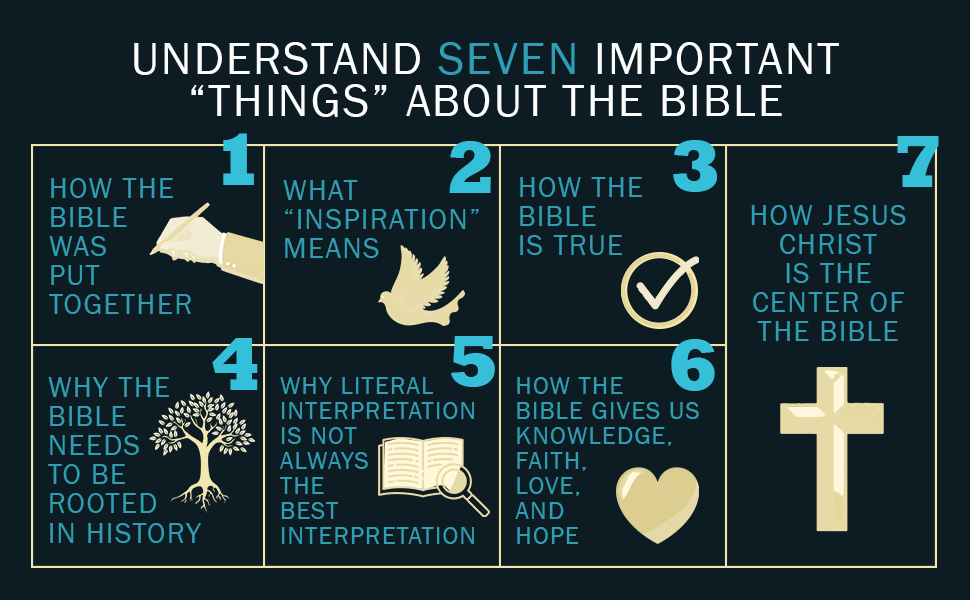
10. For a quick dive, see my book Seven Things About the Bible I Wish All Christians Knew.
11. For a deep dive, see David deSilva, Introducing the Apocrypha: Message, Context, and Significance.
12. Yes, read the apocrypha and 6 Things About the Apocrypha I Bet You Never Knew.
I have found the Apocryphal works enlightening as to the zeitgeist of Jesus’ day as informative of what was “in the air” at the time of Jesus and thereafter, and have incorporated it into my daily Bible reading/study for the last several years. I’ve found that the only portions that feel odd or possibly out of place in the Bible is the latter half of 2 Esdras, though it does have an Ezekiel/Revelation/second half of Daniel feel to it, so not exactly completely out of place. The rest are all quite useful and uplifting. The thought that Jesus read and used at least some of these writings (or at least the traditions and conversations around what came to be these writings) to inform His understanding of His own mission makes them even more useful and valuable and an important part of the gift that Scripture is to the church. That it is the last few generations of Christians that have been without them is, if not tragic, at the very least quite sad
I've also read that the Apocrypha was dropped in the 1820s to save on printing costs:
"The BFBS [British and Foreign Bible Society] was printing millions of Bibles, and the cheaper the product, the wider the reach. Removing these books would lower costs. It would also avoid theological controversy among donors. And so, by a series of votes and resolutions—none of which announced the enormity of the act—the books were quietly excised."
This quote is from a thoughtful Eastern Orthodox blog I follow:
https://kennethbwrites.substack.com/p/the-most-successful-censorship-event